


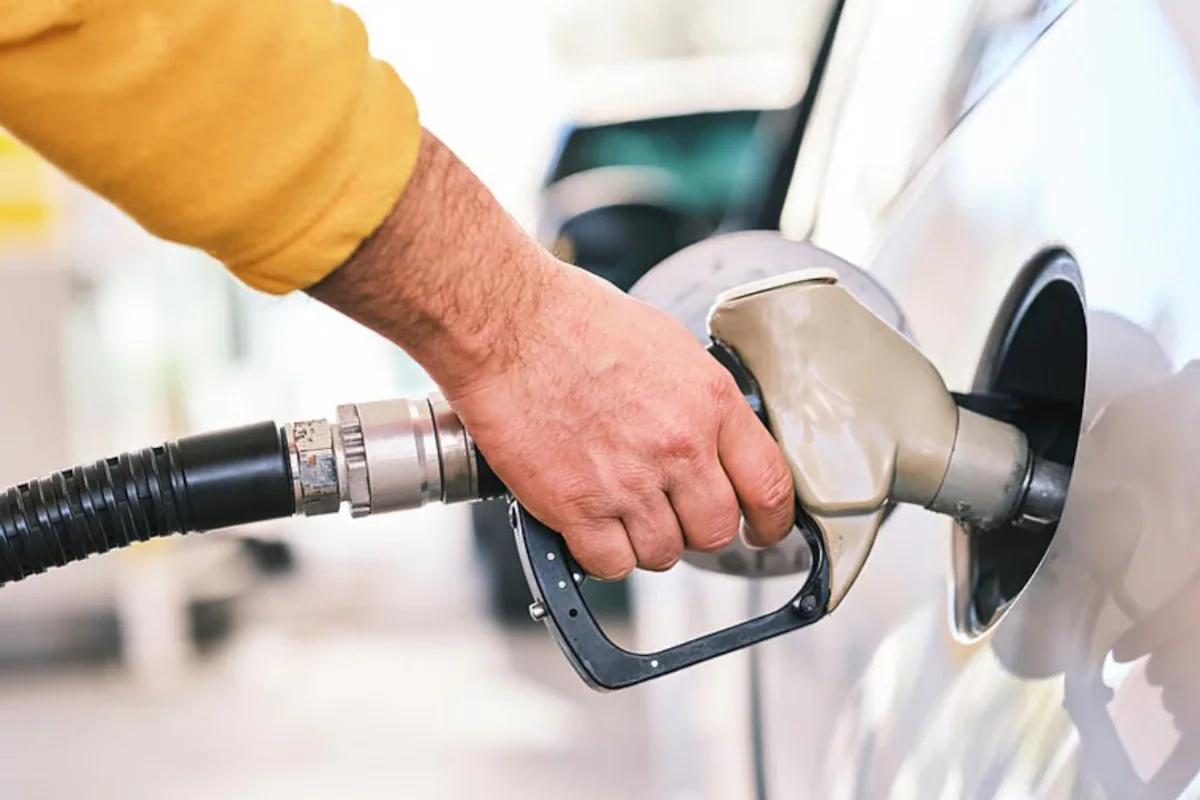
If you’ve filled up your tank recently, you might have noticed the term E20 making its way onto fuel pumps across India. It’s part of a national move towards cleaner, greener fuel. But with new technology often comes confusion—and misinformation. From doubts about mileage to worries about engine life, many drivers are left wondering what switching to E20 actually means for their vehicle. Let’s break it down, myth by myth, and help you understand the truth about E20 fuel in India.
E20 fuel explained: the future of petrol in India
E20 fuel is simply petrol that contains 20% ethanol and 80% petrol. Ethanol is a biofuel made primarily from crops like sugarcane and maize. By blending ethanol with petrol, India aims to reduce its dependence on imported oil, cut carbon emissions, and promote cleaner energy.
The government plans to roll out E20 fuel nationwide by 2025, aligning with its long-term sustainability goals. This means that in the near future, E20 won’t just be an option—it’ll be the standard fuel at your nearest petrol station.
5 common myths about E20 fuel you probably still believe
- Myth 1: E20 will damage your engine
Not quite. While older vehicles may not be designed for higher ethanol blends, most modern engines are E20-compatible or can handle it with minimal adjustments. Ethanol actually burns cleaner than pure petrol, meaning fewer carbon deposits inside the engine. - Myth 2: E20 reduces fuel efficiency drastically
Ethanol has a lower energy content than petrol, so theoretically, fuel efficiency with E20 might drop slightly. However, the difference is marginal—usually around 2–3%—and most drivers won’t even notice it in real-world conditions. - Myth 3: E20 leads to corrosion or rusting
This was a concern with older fuel systems, but not with modern vehicles. Today’s engines are built with ethanol-resistant components like stainless steel and advanced rubber seals to prevent corrosion. - Myth 4: E20 fuel is more expensive
Actually, it’s often cheaper to produce because ethanol is domestically sourced. Over time, wider E20 adoption could even help stabilise fuel prices. - Myth 5: You can’t use additives with E20
This one’s completely false. In fact, the right fuel additive can improve combustion, protect against ethanol-related moisture, and keep your engine clean.
The truth about ethanol blends: mileage, maintenance & more
Ethanol-blended fuels like E10 and E20 have been used globally for years. The key is understanding that ethanol behaves slightly differently from petrol—it absorbs moisture and can clean the fuel system aggressively.
That’s actually a good thing when managed properly. The cleaning action removes old carbon build-up and keeps injectors clear. However, it also means maintaining your fuel system becomes even more important. Regular use of a premium additives like Milex Fuel Additives can help prevent any moisture-related issues and ensure consistent performance.
Will E20 damage your engine? Here’s the reality
If your car or bike is E20 compatible, it’s absolutely safe. For older vehicles, using E20 occasionally won’t cause sudden damage, but continuous use might affect rubber hoses and gaskets over time.
Manufacturers like Maruti Suzuki, Tata Motors, and Hyundai are already rolling out E20-ready models, and by 2025, most new vehicles will fully support it. If you’re unsure about your vehicle, check your user manual or manufacturer’s website for compatibility details.
E20 vs E10: what’s the real difference in performance?
E10 contains 10% ethanol, while E20 doubles that amount. The higher ethanol percentage in petrol increases the octane rating—typically improving engine knock resistance and combustion efficiency.
In simple terms, higher octane fuels like E20 can help engines run smoother and cleaner. The trade-off? Slightly lower mileage, but improved emissions and long-term sustainability. Think of it as a small step back for a big leap forward.
Expert take: how to protect your vehicle with the right additives
Ethanol-blended fuels can attract water, which may lead to rust or poor combustion if left unchecked. That’s where Milex Fuel Additives come in.
Milex formulations are designed to:
- Prevent moisture-related corrosion in fuel systems
- Clean injectors and valves for smoother performance
- Improve combustion efficiency, especially with E20 fuel
- Help maintain fuel stability during long-term storage
Using Milex regularly ensures your engine stays protected, efficient, and ready for the E20 era.
Preparing for the switch – is your car E20 ready yet?
If you’re driving a car manufactured after 2020, chances are it’s already E20 compatible. For older models, check with your service centre before making the switch. Regardless of your vehicle type, using a trusted additive helps bridge the transition smoothly—protecting your engine while getting you ready for the future of fuel.
The E20 rollout is more than a policy change—it’s a shift towards cleaner driving and a sustainable tomorrow. So, instead of worrying about what E20 might do, prepare your car to run better with it.
Add Milex Fuel Additives to every refill, and drive into the future with confidence.
FAQs
Does E20 fuel reduce engine life?
No, not in vehicles designed for it. Using E20 in older, non-compatible engines without maintenance might affect rubber components over time, but with the right additive, the impact is negligible.
Is E20 fuel more expensive than regular petrol?
No. Ethanol is produced locally, which can help balance or even lower fuel prices compared to fully imported petrol.
How does E20 affect cold starts and long-term storage?
Ethanol can absorb moisture, which might affect cold starts if the vehicle sits unused for long periods. Using a stabilising additive like Milex prevents this.
Are bike engines compatible with E20 petrol?
Yes, most new two-wheelers are E20-ready. For older bikes, occasional use is fine, but regular use should be supported with an additive.
What’s the best way to maintain vehicles using E20 fuel?
Use E20-compatible oil, ensure timely servicing, and always add Milex Fuel Additives to keep your engine clean, protected, and efficient.
you may also read related blogs:
- E20 Fuel in India — The New Way to Prevent Vehicle Pollution
- Ethanol Blends in Petrol — How to Protect Your Engine from Corrosion
- Impact of Ethanol on Engine Efficiency and How Fuel Additives Can Help
- Enhancing Ethanol Fuel Efficiency — The Breakthrough of MPH SR 8230 Performance Additive