


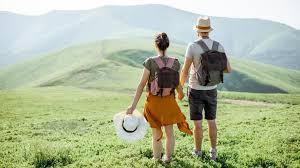
Climatic shifts can turn a smooth travel day into a tricky one with sudden heat, chill, or rain. Planning becomes more than just booking flights and stays; it means knowing what the sky may offer. Japan trips bring a mix of ancient beauty and modern bustle, with weather changes that add a twist.
Smart tools, such as esim for Japan travel, make route changes and local tweaks feel simple and stress-free. When climate hints meet route plans, every stop, brief walk, or ride takes on new calm. This article will provide friendly insights to help manage the weather, stay safe, and travel smoothly.
Check For Intense Heat Or UV Risk
For many guests, heat shifts daily comfort and shapes choices that usually feel simple and predictable. In certain regions in Japan, harsh sunlight dominates midday hours and forces travelers toward shaded paths for steady relief. Across wide open areas, UV levels jump suddenly and demand careful timing for safer outdoor movement. With a calm start, early routes allow smoother progress before strong heat disrupts energy across planned tasks.
During long, hot spells, dry air pulls moisture fast and leaves skin dull without proper care. Near crowded streets, heavy glare alters depth perception and complicates quick steps across busy corners or lanes. In harsh climates, sunlight drains focus and transforms short walks into difficult pauses that interrupt overall comfort. With steady awareness, travelers protect balance and preserve confidence throughout routes that feel intense under strong heat.
Watch For Rainy Or Humid Weather Shifts
Across many regions, rain arrives fast and disrupts plans that once felt clear and perfectly arranged. Under dark shifting clouds, visibility drops sharply and pushes travelers toward safer ground near sheltered areas. In humid zones in Japan, heavy moisture clings to skin and slows movement with subtle discomfort across simple tasks. With flexible choices, guests adjust routes smoothly and avoid delays caused by sudden showers across narrow streets.
During downpours, puddles gather quickly and shape slippery sections that require patience across crowded walkways. Along steep paths, wet surfaces reduce traction and unsettle travelers who expect firmer ground during each step. In dense humidity, clothes easily trap heat, increasing discomfort that distracts guests from routine outdoor errands. With mindful pacing, travelers hold comfort steady and maintain control despite rough weather across uncertain routes.
Prepare For Cooler Or High Altitude Conditions
At higher altitudes, crisp air settles quickly and cools bodies faster than many travelers naturally expect. Across tall slopes, cold drafts sweep through valleys, which require warm layers for steady comfort. In some regions, rapid elevation shifts trigger breathing issues that unsettle guests used to mild coastal areas. With simple preparation, travelers manage cooler temperatures well and maintain calm across routes with sudden dips.
During early hours, cold patches wrap around open peaks and surprise guests with sharp, sudden chills. On narrow trails, thin air reduces stamina and shapes slower progress across long, challenging stretches. For many visitors in Japan, warm drinks restore ease and settle nerves before climbs or lengthy ascents. With practical foresight, travelers stay grounded and adapt smoothly to climates shaped by altitude and early cold.
Expect Daylight Or Darkness Effects On Travel Ease
In bright daylight, clarity improves navigation and supports confident steps across routes that twist through open towns. Along scenic paths, warm light reveals helpful markers and eases stress in unfamiliar corners or hidden turns. During long summer days, extended sunlight offers greater freedom and encourages relaxed pacing across various scheduled stops. With these advantages, travelers enjoy smoother progress and feel secure across wide spaces shaped by daylight.
After sunset, darkness reshapes movement patterns and requires stronger caution across quiet, remote areas or alleys. On dim roads, shadows distort shapes and complicate quick decisions that usually feel simple during daylight. In the late hours, colder air settles fast and alters comfort across longer outdoor stretches or platforms. With well-planned timing, travelers select safer windows and reduce risks across routes heavily affected by darkness.
Check For Seasonal Storms Or Extreme Weather Alerts
During storm seasons, harsh winds roll across regions and change travel plans without prior notice. In exposed zones, thunder signals danger and guides travelers toward strong shelters until conditions improve naturally. Through local alerts, guests receive helpful cues that highlight hazards across vulnerable lowlands or narrow valleys. With quick decisions, travelers avoid risky paths and wait safely until extreme weather begins to ease.
Across storm-prone areas, heavy gusts lift debris suddenly and create hazards along open squares or crowded streets. In some cases, fierce waves of pressure unsettle tourists who expect calmer skies during planned routes. For many guests, alerts ensure clarity and steer movement toward sturdier structures across unpredictable outdoor zones. With sharp awareness, travelers stay protected and maintain composure through severe shifts that disrupt movement across regions.
Climate clues provide calm support when plans shift due to sudden weather across distant regions. Simple tools like esim for Japan travel help guests get prior news on the climate. Small checks before departure reduce worry and add comfort across long paths under varied skies. Start your next trip with calm focus and use these clues to shape wiser choices.