


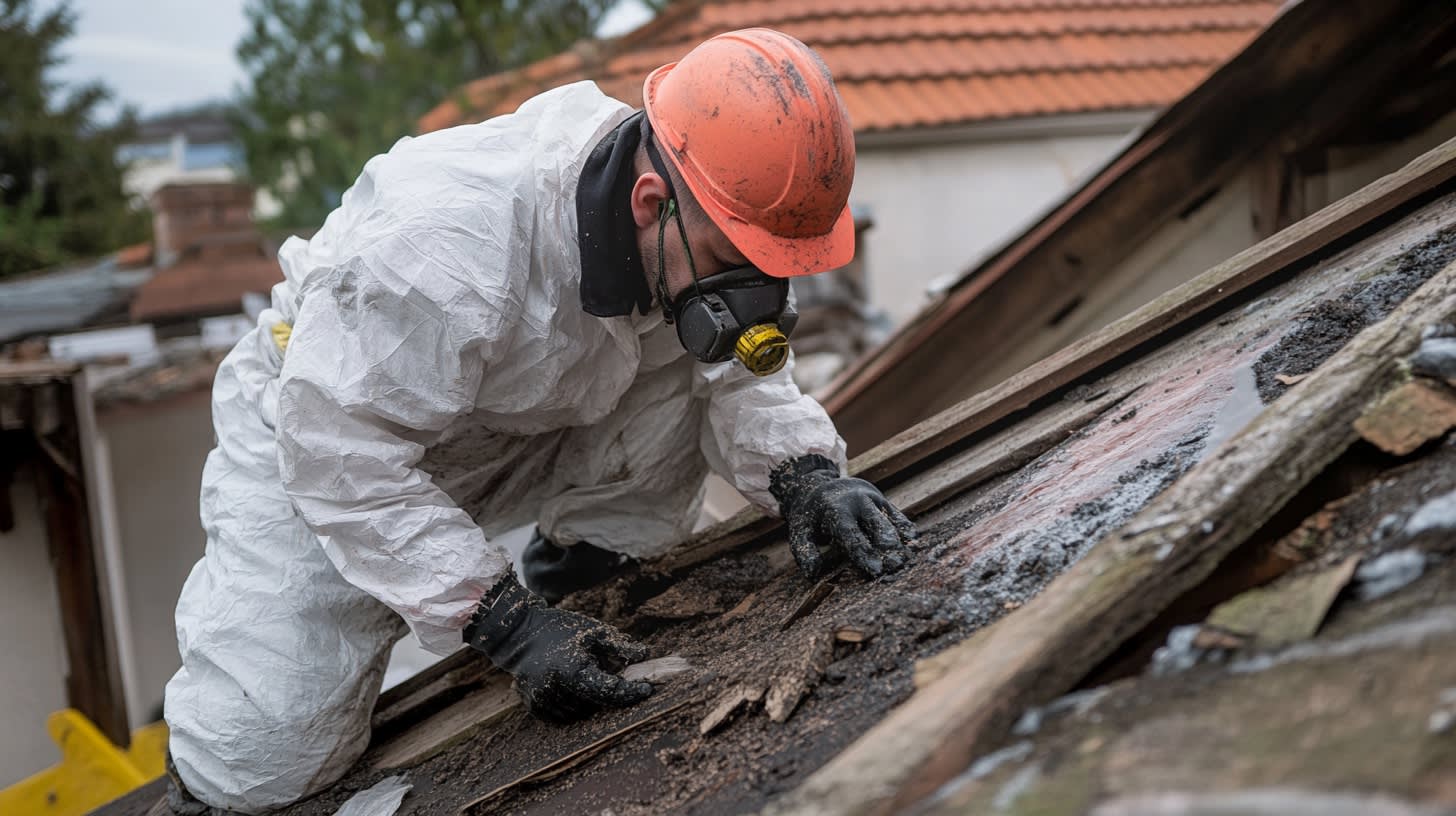
Asbestos, once commonly used in construction materials for insulation, fireproofing, and roofing, remains a hidden threat in many buildings. Research indicates that prolonged exposure to asbestos test fibers can cause severe health issues, including asbestosis, lung cancer, and mesothelioma. Statistics from occupational health studies reveal that a significant proportion of workplace asbestos exposure incidents occur in buildings without professional testing or documentation.
Professional asbestos test services provide accurate identification of asbestos-containing materials (ACMs), helping property owners, facility managers, and contractors meet safety regulations. These services are crucial for proactive risk management, preventing accidental exposure, and ensuring that buildings remain compliant with health and safety standards.
How Does Asbestos Exposure Impact Health and Safety?
Medical studies confirm that inhaling asbestos fibers is highly dangerous, with risks increasing over prolonged or repeated exposure. According to data from health agencies, early detection and proper management of asbestos significantly reduce the likelihood of long-term illness.
Reliable testing is the first line of defense in protecting occupants and workers. By identifying hidden hazards before they are disturbed, professional testing allows timely intervention, whether through removal, containment, or ongoing monitoring. Statistical evidence shows that buildings with accredited asbestos testing experience fewer exposure incidents and maintain higher workplace safety ratings.
What Methods Are Used in Professional Asbestos Testing?
Professional asbestos testing relies on scientifically validated methods to provide precise and actionable results. Common approaches include:
- Surface Sampling: Collecting material samples from suspected ACMs for laboratory analysis. Studies indicate that surface sampling is highly effective in identifying asbestos in areas with visible damage or wear.
- Air Monitoring: Measuring airborne fibers in occupied spaces, particularly during maintenance or construction work. Air sampling provides real-time data on exposure risks and informs immediate safety measures.
- Bulk Material Testing: Examining construction materials such as insulation, floor tiles, and ceiling panels to determine fiber content and type. Statistical analysis shows that bulk material testing is essential for accurately assessing hidden hazards.
Research demonstrates that combining multiple testing methods enhances detection reliability, ensuring that no potential risks go unnoticed.
Why Is Professional Testing More Reliable Than Visual Inspections?
While visual inspections can identify suspicious materials, studies show that over 60% of asbestos-containing materials are missed during non-professional assessments. Asbestos fibers are microscopic and often indistinguishable from other materials, making laboratory analysis essential for accurate detection.
Professional asbestos test services utilize accredited laboratories and standardized procedures, ensuring reliable results. Data indicates that buildings assessed through professional testing have a significantly lower likelihood of undetected asbestos, reducing health risks and legal liabilities.
How Does Testing Support Regulatory Compliance?
Regulatory frameworks around the world require accurate identification and management of ACMs to protect occupants and workers. Failure to comply can lead to substantial fines, legal action, and reputational damage. Professional testing provides documented evidence that buildings meet safety standards, supporting compliance with local and national regulations.
Statistical reports show that properties with documented asbestos testing maintain higher safety ratings and experience fewer compliance violations. Accurate testing not only protects health but also ensures that property owners can demonstrate due diligence in risk management.
What Role Does Technology Play in Modern Testing?
Advances in technology have greatly enhanced the precision and efficiency of asbestos testing. High-resolution microscopy, digital imaging, and sophisticated laboratory techniques allow for accurate identification of fiber types and concentrations. Studies indicate that technology-assisted testing detects up to 30% more hazards than traditional visual inspections alone.
Digital reporting tools also enable property managers to access detailed test results, track remediation progress, and maintain comprehensive records for compliance purposes, ensuring that decisions are based on verified data.
How Does Testing Improve Risk Management?
Professional asbestos testing provides critical data for effective risk management. Statistical models reveal that early detection and accurate identification of ACMs directly correlate with lower exposure incidents and safer building environments.
Testing results help prioritize areas for remediation, determine appropriate control measures, and allocate resources efficiently. For example, areas with high-risk materials may be scheduled for immediate removal, while low-risk sections may be monitored or encapsulated. This data-driven approach minimizes health risks while optimizing operational decisions.
What Are the Benefits of Regular Asbestos Testing?
Periodic testing is essential to maintaining ongoing safety and compliance. Research indicates that regular testing reduces accidental exposure by up to 40% compared to one-time assessments. Key benefits include:
- Enhanced Safety: Detecting hidden hazards before they pose a risk protects occupants and workers.
- Regulatory Assurance: Continuous testing supports compliance with legal requirements.
- Cost Efficiency: Early detection prevents widespread contamination, lowering remediation expenses.
- Risk Prioritization: Testing allows targeted interventions, focusing efforts where hazards are most significant.
These advantages demonstrate that regular testing is a strategic investment in both safety and operational efficiency.
Why Choose Accredited Testing Services?
Accredited asbestos testing services follow stringent guidelines and standardized protocols to ensure reliable results. Studies show that non-accredited testing often produces higher rates of false negatives, leading to undetected hazards and potential liability.
By selecting accredited services, property owners can trust that their testing results are accurate, verifiable, and legally defensible. Accreditation ensures that laboratories adhere to best practices, maintain quality standards, and provide reliable data for informed decision-making.
How Can Testing Inform Remediation Strategies?
Once asbestos is detected, testing results form the foundation for safe and effective remediation. Accurate identification of fiber types, concentration levels, and material locations enables professionals to select the most suitable intervention, whether full removal, encapsulation, or controlled management.
Statistical evidence shows that properties managed with testing-informed remediation strategies experience up to 50% fewer accidental exposure incidents compared to those without professional testing. Additionally, ongoing monitoring post-remediation ensures that previously contaminated areas remain safe over time.
What Steps Ensure Maximum Accuracy in Testing?
To maximize reliability, professional testing should incorporate the following steps:
- Proper Sampling Techniques: Collecting samples correctly to prevent contamination.
- Use of Accredited Laboratories: Ensuring consistent and validated analysis.
- Multiple Sample Testing: Testing multiple areas increases detection confidence.
- Professional Interpretation: Expert review of results for accurate risk assessment.
Data shows that implementing these practices can increase detection success rates to over 95%, minimizing hidden hazards and ensuring a safe environment.
How Does Testing Protect Occupants and Workers?
Occupational health statistics reveal that most asbestos-related illnesses occur during renovation, maintenance, or construction activities. Reliable testing identifies hidden hazards before work begins, allowing for proper safety measures, including protective equipment, controlled removal, and restricted access.
Preventing accidental exposure protects the health of occupants and workers alike, reducing long-term health risks and fostering a safer environment.
What Are the Long-Term Advantages of Professional Testing?
Long-term benefits extend beyond immediate safety. Properties with documented asbestos testing have higher compliance scores, reduced liability, and enhanced property value. Buyers, tenants, and investors often place greater confidence in buildings with verified asbestos testing records.
Ongoing testing programs allow early detection of new hazards, creating a proactive approach to property management. Statistical studies show that proactive testing significantly reduces exposure incidents and maintains higher workplace safety ratings over time.
How Can Property Managers Implement a Comprehensive Testing Program?
A structured approach is essential for maximum effectiveness:
- Initial Assessment: Identify areas likely to contain asbestos.
- Professional Testing: Engage accredited laboratories for sample collection and analysis.
- Risk Categorization: Use results to prioritize remediation and management.
- Documentation: Maintain detailed records for compliance and future reference.
- Periodic Monitoring: Schedule regular retesting to detect new hazards and maintain ongoing safety.
Research demonstrates that structured testing programs reduce exposure incidents and improve overall building safety, highlighting the importance of integrating testing into routine property management.
Is Professional Asbestos Testing a Strategic Investment?
Reliable asbestos testing is both a regulatory requirement and a strategic investment in health, safety, and property value. Data-driven studies confirm that early detection, accurate assessment, and informed remediation reduce health risks, prevent costly incidents, and ensure regulatory compliance.
By implementing professional testing, property owners and managers can confidently manage hidden asbestos hazards, creating safer and more sustainable buildings while mitigating legal and financial risks.
Conclusion: Why Prioritize Professional Asbestos Testing?
Hidden asbestos hazards pose significant health, safety, and legal risks. Professional asbestos testing provides accurate identification, regulatory compliance, and a strong foundation for risk management. Statistical evidence highlights the importance of testing in preventing exposure, guiding remediation, and maintaining long-term building safety.
In conclusion, professional asbestos test services are an essential component of responsible property management. By combining systematic assessment, advanced technology, and accredited laboratory analysis, these services deliver reliable, data-driven insights that protect occupants, ensure compliance, and safeguard property value. Investing in professional testing is a proactive strategy for creating safe, compliant, and sustainable buildings for the long term.